
In today’s fast-paced world, staying ahead in the fundraising game requires more than just sticking to traditional methods. For Directors of Fundraising and Heads of Individual Giving in the UK, embracing innovation is not just a nice-to-have—it’s a necessity. Let’s explore why innovation is critical in the fundraising sector, look at some standout examples, and dive into how emerging technologies and digital innovations can drive success.
Why Innovation Matters in Fundraising
As fundraising leaders, you know that capturing and retaining donor attention is a constant challenge. Innovation plays a key role in this by enhancing donor engagement, improving operational efficiency, and providing data-driven insights. Not to mention, innovative strategies help set your organisation apart in a crowded market and build resilience in the face of unforeseen challenges.
Inspirational Case Studies: Where Innovation Shines
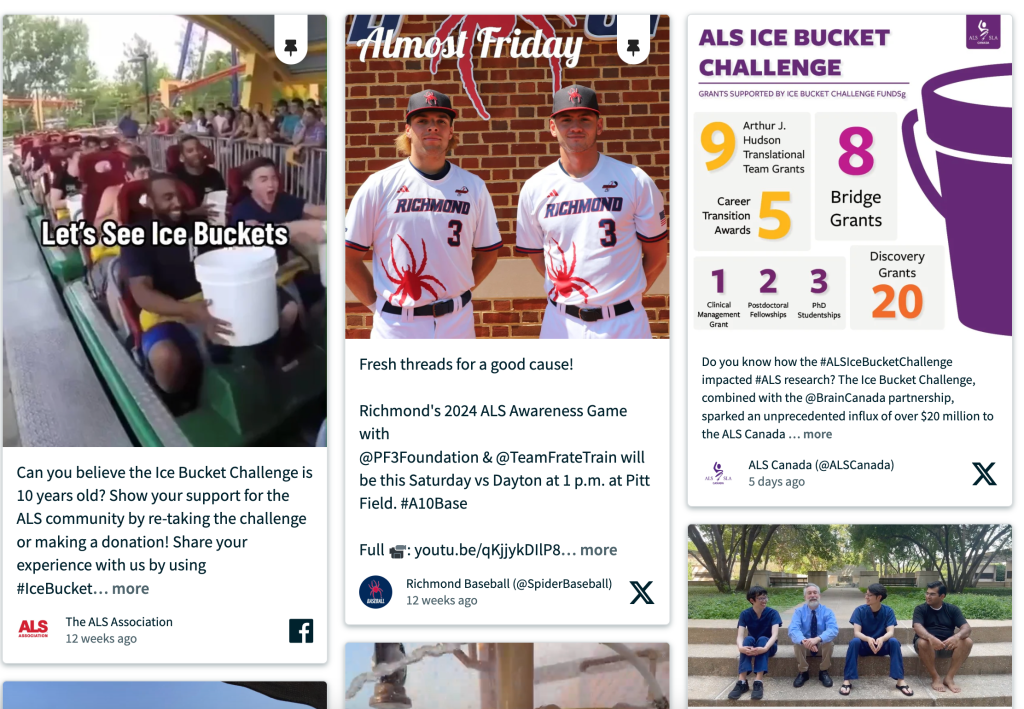
Consider the ALS Ice Bucket Challenge. This viral social media phenomenon didn’t just raise awareness; it raised over $115 million for ALS research. It was simple, engaging, and leveraged the power of social networks to amplify its reach.
Then there’s Movember, the month-long event where men grow moustaches to raise funds for men’s health issues. This campaign’s success lies in its fun, community-driven approach, making it easy and enjoyable for participants to get involved and spread the word.
Another innovative approach comes from Charity: Water. By using virtual reality, they offered donors an immersive experience to see the direct impact of their contributions. This not only enhanced donor engagement but also created a compelling narrative that drove higher donations.
Leveraging Emerging Technologies
Let’s talk about how technology can transform your fundraising efforts:
- Crowdfunding Platforms: Platforms like JustGiving and GoFundMe have revolutionized the way we raise funds. They make it easy to tell your story and reach a large audience, thus broadening your donor base.
- Artificial Intelligence (AI) and Machine Learning: AI can provide predictive analytics, donor segmentation, and personalised communication, allowing you to focus on high-value interactions.
- Blockchain Technology: Ensuring transparency and security, blockchain can enhance donor trust by providing detailed tracking of donations.
- Mobile Giving: With the rise of smartphones, mobile giving solutions like text-to-give and mobile-friendly donation pages are crucial. They offer convenience and cater to the preferences of younger, tech-savvy donors.
Embracing Digital Fundraising Innovations
Digital innovations are changing the fundraising landscape. Here are a few ways to stay ahead:
- Social Media Fundraising: Platforms like Facebook and Instagram are powerful tools for raising funds. Facebook’s birthday fundraisers, for example, have been highly effective in raising money through personal networks.
- Livestream Fundraising: Platforms like Twitch and YouTube Live enable real-time engagement with your audience. Events like charity gaming marathons or virtual concerts can create a sense of community and urgency, encouraging immediate donations.
- Peer-to-Peer Fundraising: Empower your supporters to raise funds on your behalf. Peer-to-peer platforms allow donors to create their own fundraising pages and mobilise their networks, exponentially increasing your reach.
- Email and SMS Campaigns: Personalised email and SMS campaigns remain effective tools for reaching donors. Advanced segmentation and personalisation techniques can deliver targeted messages that resonate with different donor segments.
- Augmented Reality (AR) Experiences: AR can provide interactive and engaging experiences for donors. Imagine an AR app that shows the impact of a donation by overlaying information or visuals onto the real world. It makes the cause more tangible and compelling.
Celebrating UK Charities Leading the Way
Several UK charities have set the benchmark for digital fundraising innovation:
- Macmillan Cancer Support: Known for their innovative use of digital platforms, especially during the COVID-19 pandemic. Their virtual “Macmillan Coffee Morning” allowed continued fundraising despite social distancing.
- British Heart Foundation (BHF): Their “MyMarathon” campaign encouraged supporters to run a marathon at their own pace. This digital campaign used social media and personalised online fundraising pages, making it easy for participants to engage and share their progress.
- WaterAid: Their “Untapped” campaign won multiple awards for its creative digital approach, using powerful storytelling and virtual reality to highlight the impact of donations.
- Shelter: Their “Sleep Walk” campaign enabled supporters to sign up, fundraise, and track their walking routes online. The campaign effectively used social media and email marketing to keep participants engaged and motivated.
How to Stay Ahead
- Integrate Technology Thoughtfully: Stay updated with technological advancements and integrate them into your fundraising strategies where they add the most value. AI for donor analysis or VR for immersive donor experiences can be game-changers. Ask your suppliers for their technology roadmap.
- Prioritise Donor Experience: Innovation should enhance the donor experience. Focus on personalised communication, provide regular updates on the impact of donations, and ensure the giving process is seamless and user-friendly.
- Foster Agility and Experimentation: Encourage a culture of agility within your team. Be open to experimenting with new ideas and approaches, and be prepared to pivot quickly in response to new trends or challenges.
- Maximise Social Media Potential: Use social media platforms strategically to tell your story, engage with your audience, and create viral campaigns. Effective use of social media can significantly amplify your reach and impact.
- Invest in Professional Development: Ensure your team has the skills and knowledge to implement innovative fundraising strategies. Regular training and professional development opportunities can keep your team at the forefront of fundraising trends.
Conclusion
Innovation isn’t just a buzzword—it’s the future of fundraising. By embracing new technologies, creating engaging campaigns, and prioritising the donor experience, you can stay ahead of the curve and drive substantial impact. T
Sources
- The ALS Association. (n.d.). Ice Bucket Challenge. Retrieved fromThe ALS Association. (n.d.). Ice Bucket Challenge. Retrieved from ALS Association
- Movember Foundation. (n.d.). About Movember. Retrieved from Movember
- Charity: Water. (n.d.). Virtual Reality. Retrieved from Charity: Water
- JustGiving. (n.d.). How It Works. Retrieved from JustGiving
- BitGive Foundation. (n.d.). Blockchain for Good. Retrieved from BitGive
- Facebook. (n.d.). Fundraisers for Charities. Retrieved from Facebook Fundraisers
- Twitch. (n.d.). Charity Streaming. Retrieved from Twitch
- Peer-to-Peer Professional Forum. (n.d.). What is Peer-to-Peer Fundraising? Retrieved from P2P Forum
- Mailchimp. (2020). How to Create Effective SMS Campaigns. Retrieved from Mailchimp
- Shelter. (n.d.). Shelter Sleep Walk. Retrieved from Shelter
- Macmillan Cancer Support. (2020). Virtual Fundraising. Retrieved from Third Sector
- British Heart Foundation. (n.d.). MyMarathon. Retrieved from SOFII
- WaterAid. (n.d.). Untapped Campaign. Retrieved from WaterAid
 Joanne Warner Consulting